
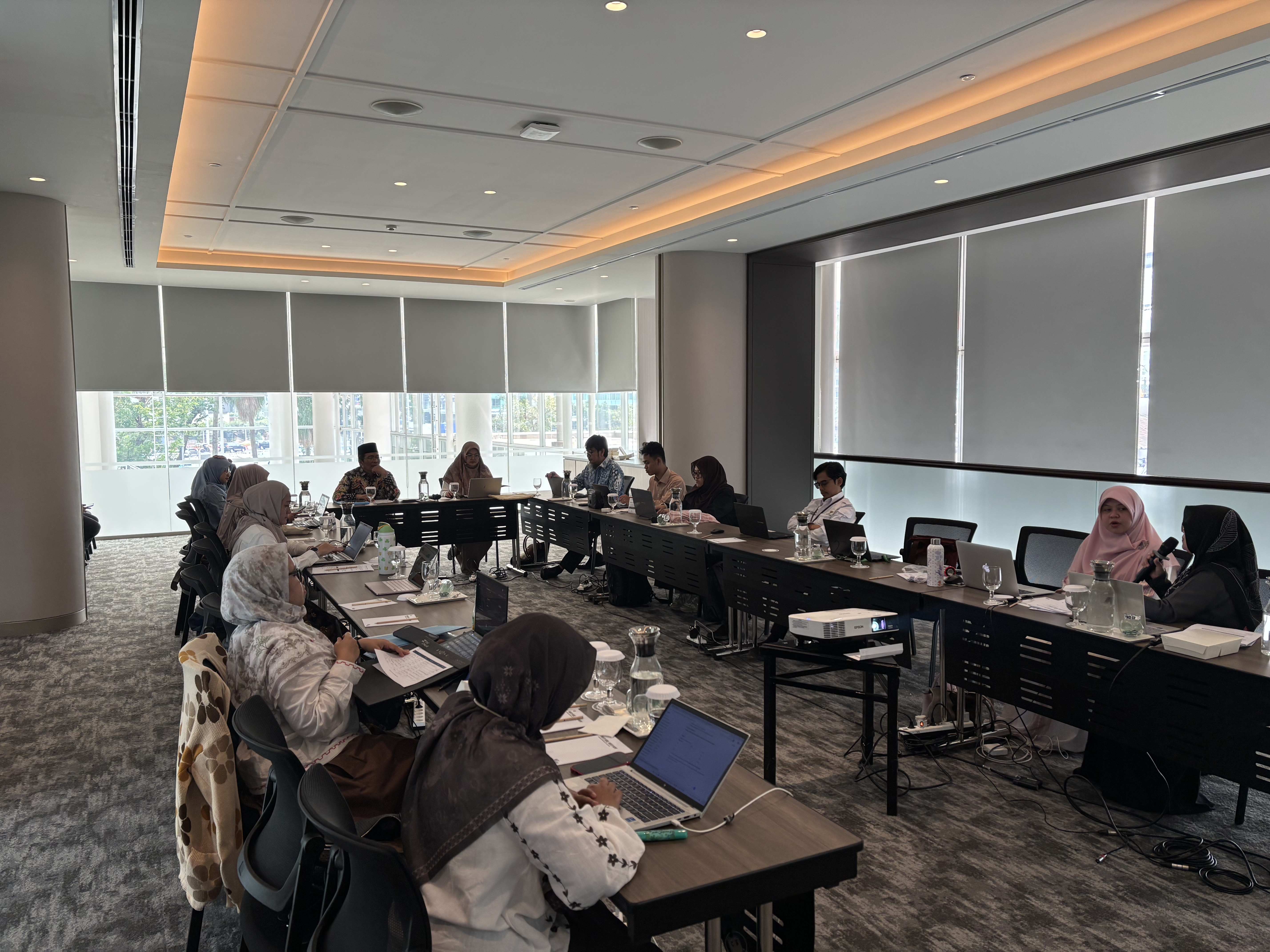
Jakarta, 23 September 2026 – BAZNAS RI held a Focus Group Discussion on the revision of the Zakat Core Principles Implementation Index (ZCP Index) 2.0 and preparations for the International Zakat Leaders Summit (IZLS) 2026 at Pullman Jakarta. The forum brought together experts, regulators, researchers, and representatives from BAZNAS and Bank Indonesia to refine the ZCP Index 2.0 and strengthen its relevance for zakat institutions in Indonesia and other countries.
The FGD marked an important stage in the development of ZCP Index 2.0. Following a series of qualitative discussions and expert reviews, the meeting focused on validating the revised framework through expert ranking and weighting. The process applied Delphi and Analytical Network Process (ANP) approaches to determine the priorities and relative importance of dimensions, variables, and indicators. The discussion also focused on refining definitions and ensuring that the indicators can assess the actual implementation of zakat governance rather than merely the existence of policies or documents.
One of the main outcomes was the agreement on seven dimensions of ZCP Index 2.0. These dimensions cover Zakat Governance, Operational Management, Legal and Sharia Framework, Intermediation Function for Collection, Intermediation Function for Distribution, Financial Reporting, and Risk Management. Compared with the previous framework, Risk Management is now established as a separate dimension to provide a more comprehensive assessment of institutional risk governance and implementation.
The experts also provided several recommendations to strengthen the framework. Internal audit was reinforced through a risk-based approach, while the collection dimension introduced “Zakat Literacy” as a broader concept covering socialization, education, promotion, donation channels, and zakat services. For zakat distribution, the framework emphasizes beneficiary mapping, mustahik eligibility assessment, program design and management, and evaluation of zakat fund allocation to ensure that distribution is properly targeted, effective, and efficient.
Particular attention was given to measuring the impact of zakat distribution. The discussion emphasized that assessment should go beyond outputs and outcomes and examine the actual transformation experienced by mustahik. Impact measurement should therefore use relevant methodologies and focus on improvements in the condition and welfare of beneficiaries, helping zakat institutions demonstrate their contribution through measurable evidence rather than institutional self-claims.
Risk management was another major focus of the discussion. The revised framework covers risk governance, internal control and operational risk, fraud risk, information and digital security, as well as Business Continuity Plan (BCP) and Disaster Recovery Plan (DRP). The experts stressed that the index should assess how these mechanisms are implemented, monitored, and followed up in practice. The separation of zakat and non-zakat funds was also positioned under Internal Control and Operational Risk, emphasizing that fund separation is fundamentally an issue of governance and business processes, whether an institution uses manual or digital systems.
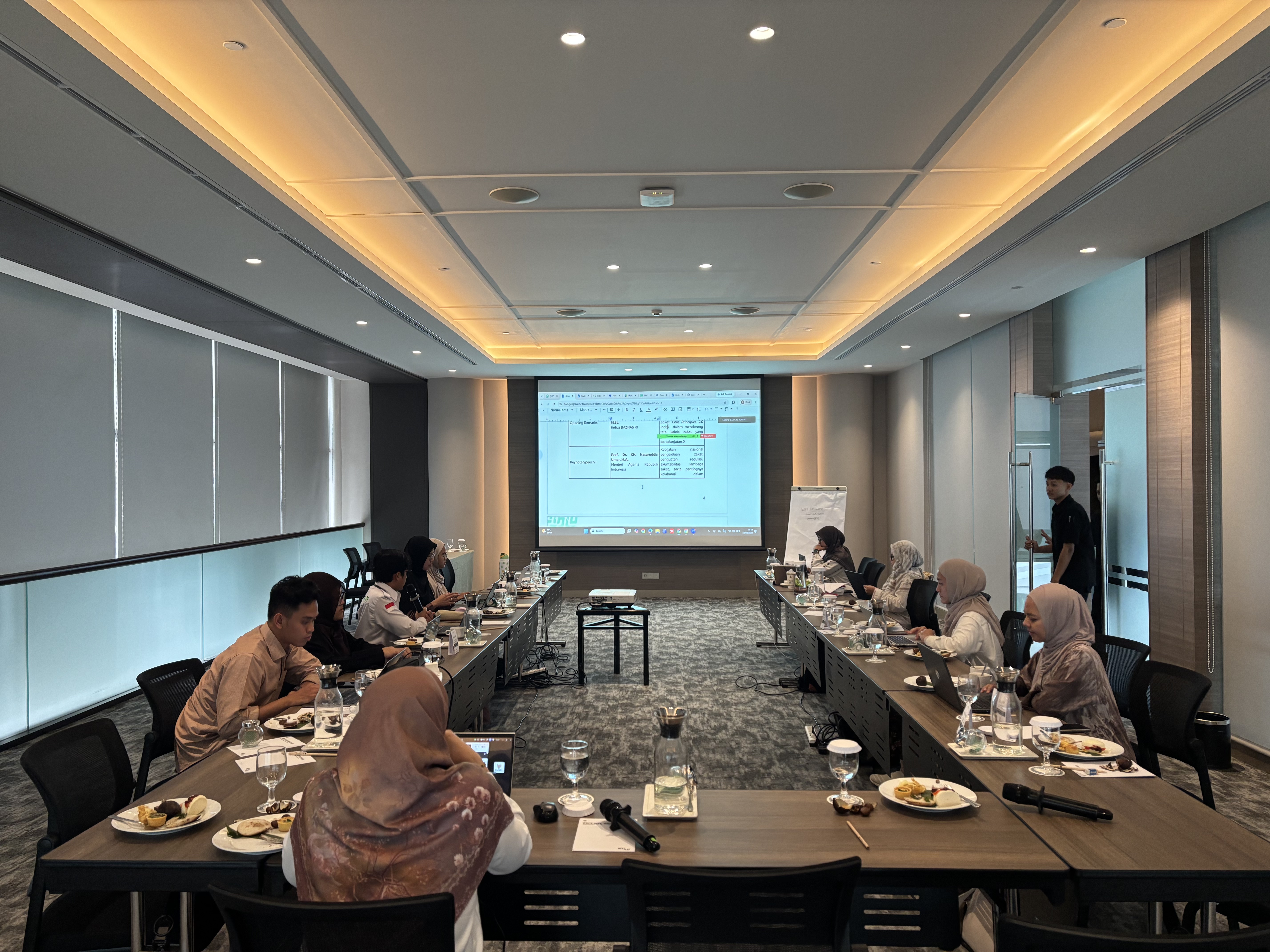
The FGD also formed part of the preparation for the launch of the ZCP Index 2.0 guidelines during the International Zakat Leaders Summit 2026. The launch is planned for 17 October 2026, with the involvement of national zakat authorities and international stakeholders. The forum is expected to provide momentum for introducing the updated framework to the global zakat community and encouraging its wider adoption across different zakat management systems.
Following the FGD, the formulation team will incorporate the experts’ recommendations, finalize the wording and definitions, calculate the expert weighting results, and prepare the technical framework for the ZCP Index 2.0 guideline. Through this process, BAZNAS aims to develop a more practical, measurable, and globally relevant instrument that can support stronger governance, accountability, risk management, and impact across zakat institutions.