
Jakarta, April 7, 2026 - The National Board of Zakat (BAZNAS) of Indonesia, through its Division of Innovation and Creative Programs (DIPK), is strengthening its efforts to address poverty by exploring the development of a 24/7 Mustahik Call Center. This initiative forms part of the ongoing preparation of a book titled “Envisioning Indonesia’s Welfare through Zakat Management”, which aims to serve as a strategic foundation for the transformation of national zakat management.
To enrich insights and gather best practices, BAZNAS organized a Focus Group Discussion (FGD) titled “Rapid Response to Poverty Alleviation: 24/7 Mustahik Call Center Study.” The forum invited external speakers from institutions that have established emergency call center systems, including the Jakarta Fire and Rescue Department (Jakarta Siaga 112), PT Jasamarga Tollroad Operator (JMTC 133), and the Ministry of Health (SPGDT 119).
In her opening remarks, Head of DIPK BAZNAS RI, Aisha Putrina Sari, highlighted that many vulnerable communities remain underserved in emergency situations. “Cases such as children dropping out of school due to financial constraints or criminal acts driven by economic hardship indicate gaps in our current response system. BAZNAS aims to establish a more responsive, integrated, and accessible service for mustahik,” she stated.
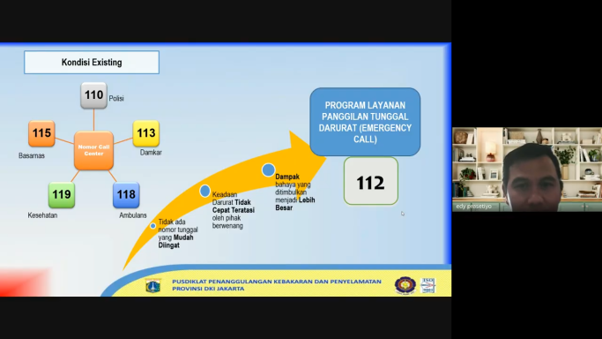
The discussion revealed that the success of emergency call center services depends on system integration, rapid response time, and the readiness of human resources. Representing Jakarta Siaga 112, Edy Prasetiyo explained that the service operates as a single emergency number integrating multiple agencies, including fire services, police, health services, and social services. “Each incoming call is validated by an operator and then dispatched as a ticket to the relevant agency. We aim to complete the entire process—from receiving the call to on-site response—within a maximum of 15 minutes,” he explained.
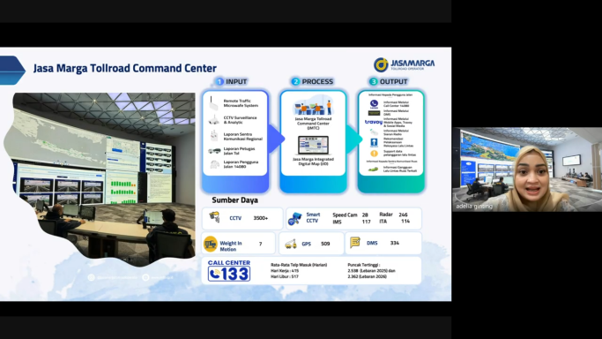
Meanwhile, Adelia Dicha Pravitasari from Jasa Marga Tollroad Command Center emphasized the importance of technological support in accelerating response. With more than 3,500 smart CCTV units and automated detection systems, the service does not rely solely on public reports. “We also provide multiple communication channels such as WhatsApp and social media, as today’s users often prefer text-based communication over phone calls,” she noted.
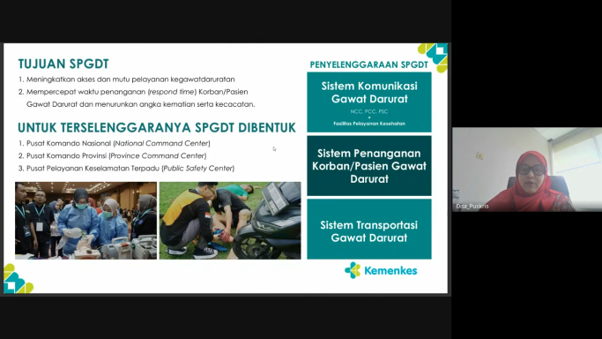
From the healthcare sector, drg. Hadijah Pandita of the Ministry of Health underscored the importance of operator competency. In the SPGDT 119 system, operators are required to have a healthcare background to provide real-time first aid instructions via phone. “In emergency situations, initial guidance can be life-saving. Therefore, the quality of human resources is critical,” she emphasized. The discussion also addressed key challenges, including limited regional budgets, the need for 24/7 staffing, and the high volume of prank calls. Nevertheless, the speakers agreed that the effectiveness of such services can be measured through compliance with service level agreements (SLA) on response time and overall public satisfaction.
Through this FGD, BAZNAS identified several strategic steps for developing the 24/7 Mustahik Call Center. These include establishing a strong regulatory framework, developing a five-year blueprint covering system architecture, IT infrastructure, and human resources, as well as conducting field visits to emergency command centers to directly observe operational mechanisms. This initiative is expected to serve as a foundational step toward a more responsive, integrated, and adaptive zakat service system. By adopting best practices from various sectors, BAZNAS is optimistic about delivering innovative services that are not only well-targeted but also capable of responding swiftly to the urgent needs of mustahik.